
A Guide to Free Bipolar Test: Evidence‑Informed Insights and Practical Tips
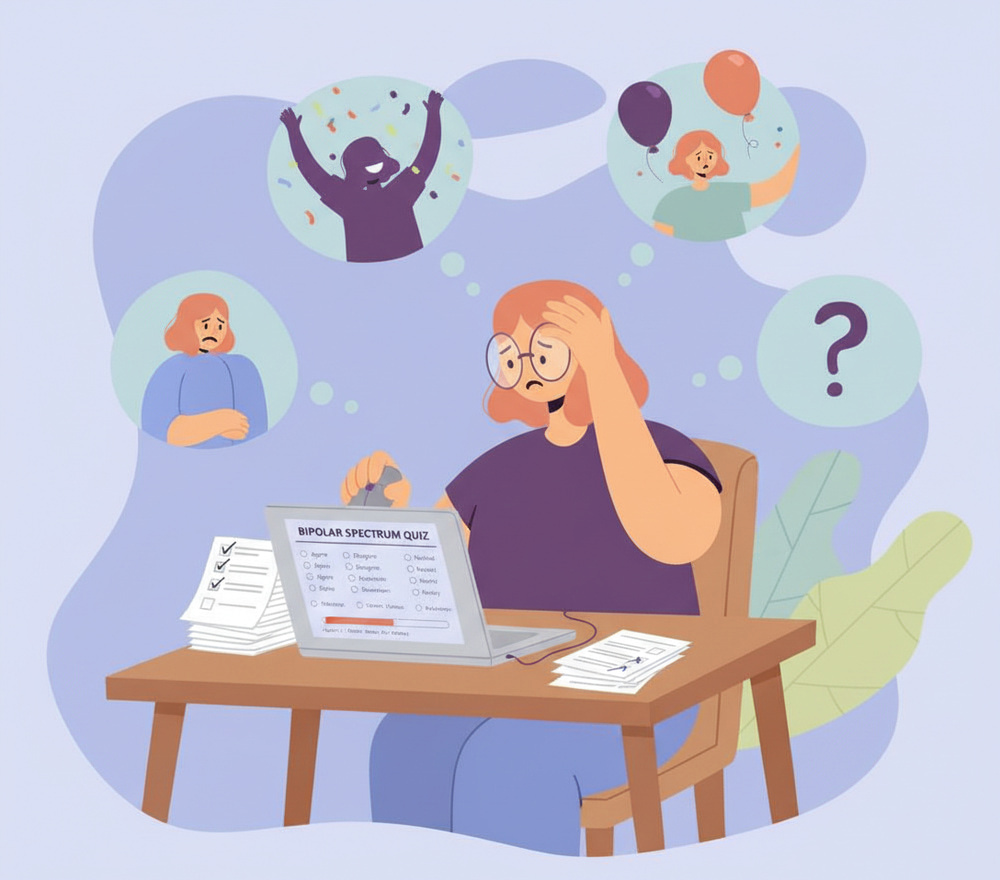
Take Bipolar Test Online
Get StartedWhat Bipolar Self‑Screening Is, What It Isn’t, and When It Helps
Self‑screening for bipolar spectrum conditions is a starting point for understanding patterns of mood elevation, depression, energy shifts, sleep changes, and impulsivity. A screening questionnaire cannot diagnose a mental health condition, and it should never replace a conversation with a qualified clinician. Instead, it acts like a flashlight in a dim room: it illuminates areas you might want to discuss, helps you organize observations, and reduces the uncertainty that often delays reaching out for help. Thoughtful use of a standardized questionnaire can highlight clusters of experiences that align with hypomania, mania, or cyclothymia, offering language you can bring to an appointment.
Many people appreciate low‑barrier tools because they feel safer exploring sensitive topics in private before speaking with someone face to face. In that context, a free online bipolar test can provide a gentle, anonymous way to reflect on mood patterns without pressure. Because screenings are brief and focused, you can complete one in minutes, review the guidance it provides, and decide on your next step with more clarity than you had before.
Motivation to screen often emerges after persistent mood swings, unpredictable sleep needs, or feedback from loved ones about bursts of energy followed by crashes. For those who are cautiously curious, a free bipolar test may reduce the friction of getting started while encouraging a more informed conversation with a professional who can evaluate medical history, medications, substance use, and family factors.
- Screenings organize observations into recognizable patterns.
- Results can prompt timely, informed conversations with clinicians.
- Short, private questionnaires reduce barriers to insight and action.
- Follow‑up care remains essential for diagnosis and treatment planning.
How Typical Bipolar Screeners Work and What They Measure
Most bipolar self‑assessments are built from validated questionnaires that reference hallmark features of mood elevation and depression. Items often ask about bursts of goal‑directed activity, reduced need for sleep, racing thoughts, distractibility, and periods of unusually elevated or irritable mood. They also ask about depressive symptoms such as anhedonia, hopelessness, changes in appetite or sleep, fatigue, and difficulty concentrating. Some checklists separate lifetime experiences from recent patterns to capture both enduring tendencies and current concerns.
While designs vary, core screeners emphasize frequency, duration, and impact on work, relationships, finances, and safety. In addition to those anchors, a bipolar test free format commonly pairs clear plain‑language questions with brief response options, making it accessible to people who are new to mental health terminology. Clear instructions, neutral wording, and concise scoring guidance help you interpret the output without overreaching beyond what a screening can do.
It’s equally important to note what a screener cannot measure. No questionnaire can observe speech patterns directly, verify collateral reports, or run medical tests that might uncover thyroid issues, sleep disorders, or medication effects that mimic mood episodes. When presented alongside caveats and resource links, a bipolar disorder test free option becomes a signpost that points you toward a clinician who can integrate lab results, timelines, and risk assessments into a complete picture.
- Look for clear definitions of mania, hypomania, and major depression.
- Prefer tools that specify time frames and functional impact.
- Choose screeners that include guidance on next steps and resources.
- Remember that results are informational and not diagnostic.
Benefits, Limitations, and Ethical Use of Online Screeners
Thoughtfully designed self‑assessments lower the barrier to early insight, reduce stigma, and help you find vocabulary that captures complicated experiences. They are available at any hour, require no scheduling, and can be revisited over time to track patterns. When used before an appointment, a brief score and your notes can speed clinical history‑taking, resulting in a more efficient visit and clearer questions. Anonymous formats also protect privacy while you decide how to proceed.
Balanced against these benefits, a bipolar free online test will not evaluate confounding conditions or consider nuanced clinical features such as mixed states, rapid cycling, or comorbid anxiety. Online results can be misinterpreted without context, and they may create false reassurance or unnecessary alarm if read in isolation. Ethical use means treating the output as a conversation starter, not a verdict, and pairing it with evidence‑based resources and professional input when needed.
Another limitation involves timing and recall, many people underreport symptoms outside of active episodes. To improve usefulness, a bipolar test online free resource should encourage you to add examples, note dates, and record feedback from people who know you well. That supporting detail helps clinicians differentiate between personality traits, situational stress, and symptoms consistent with a bipolar spectrum condition.
- Benefits: accessibility, privacy, structure, and vocabulary for dialogue.
- Limitations: no diagnosis, potential misreading, and lack of medical testing.
- Ethics: use results as guidance, not as a substitute for care.
- Best practice: combine screening with professional follow‑up when appropriate.
Interpreting Results, Tracking Patterns, and Planning Next Steps
After completing a screener, focus first on patterns rather than any single item. Note clusters of elevated‑mood indicators, the presence of depressive features, and how often these patterns have disrupted daily life. If self‑assessment suggests meaningful risk, schedule time with a licensed professional who can ask clarifying questions, explore medical history, and consider conditions that can mimic or amplify mood symptoms. Bringing a simple log of sleep, energy, and triggers can make that conversation more precise.
When reviewing guidance, remember that a bipolar disorder test free online can flag potential concerns without estimating severity, duration, or cycle pattern. For context, keep a brief diary of major shifts in mood, energy, sleep, and productivity for at least a few weeks, noting any substances, medications, or stressors that might influence your state. If you already see a provider, share your screening results and your log to strengthen collaborative decision‑making.
Clear next steps can reduce anxiety and help you act confidently. In practical terms, a free online bipolar disorder test is most valuable when it is paired with educational materials, safety guidance, and referrals to affordable care options, including community clinics and telehealth networks. If immediate risk is present, such as thoughts of harming yourself or others, seek urgent, local help right away rather than relying on a questionnaire.
| What the Screener Can Offer | What It Cannot Do | Smart Next Steps |
|---|---|---|
| Organizes symptoms into recognizable patterns | Provide a formal diagnosis or rule out medical causes | Share results with a licensed clinician for evaluation |
| Gives language to discuss mood elevation and depression | Assess risk level in emergencies or provide crisis care | Prepare a brief mood, sleep, and trigger diary |
| Offers private, rapid, and repeatable reflection | Replace lab tests, physical exams, or clinical interviews | Ask about evidence‑based treatments and support options |
- Capture examples that illustrate how symptoms affect responsibilities.
- Bring questions about differential diagnoses and treatment approaches.
- Revisit screening over time to observe changes and trends.
Privacy, Accuracy, and Choosing a High‑Quality Screener
Quality matters with any health‑related tool. Look for questionnaires linked to reputable organizations, transparent citations, and clear privacy policies. Confirm whether answers are stored, how long data are retained, and whether analytics are anonymized. It’s reasonable to review the site’s disclosures before you begin and to use a private browser if you prefer to minimize digital footprints. Thoughtful design and strong evidence signals help you trust the process.
Clarity in scoring and next‑step guidance is another sign of caliber. In well‑designed tools, a free bipolar disorder test usually includes definitions for key terms, advice on when to seek an appointment, and links to crisis resources if needed. Where possible, choose platforms that align with recognized screening instruments and that present results in language suitable for both newcomers and those familiar with mental health care.
Accessibility features also influence usability. Readable typography, mobile‑friendly layouts, and inclusive language reduce friction for a wider audience. For many people who are exploring care options, a bipolar test free online with clear explanations helps them move from uncertainty to action without feeling overwhelmed by jargon or intrusive requests for personal information.
- Check the source and look for references to validated instruments.
- Review privacy and data practices before entering information.
- Favor tools with straightforward results and resource links.
- Ensure the experience is accessible on your preferred device.
FAQ: Common Questions About Bipolar Self‑Screening
Is a screening the same as a diagnosis?
No. A self‑screen is a preliminary information‑gathering step that helps you decide whether to consult a clinician. Only a licensed professional can diagnose a mental health condition after evaluating your history, context, and potential medical contributors.
Who should consider taking a screener?
People who notice recurring cycles of elevated energy and low mood, or whose sleep, spending, or impulsivity feel out of control, often benefit from structured reflection. In these cases, an online free bipolar test can act as a low‑pressure way to organize what you’ve been experiencing before you schedule a visit.
What should I do if my results suggest elevated risk?
If results flag significant concern, contact a licensed clinician to discuss a full evaluation that can include medical review and safety planning. In urgent situations, prioritize immediate local help through emergency services, crisis lines, or walk‑in care rather than relying on online tools alone.
How can I prepare for a professional appointment?
Write down key episodes, dates, triggers, sleep changes, and family history, and bring your screening output as a summary. During preparation, a free bipolar test online may help you remember details that make your clinical conversation more efficient and complete.
Are there ways to track progress over time?
Yes. Keep a simple mood and sleep log, revisit a screener periodically, and share updates with your care team. To reduce noise, use the same questionnaire each time so the results are comparable across months and seasons.